
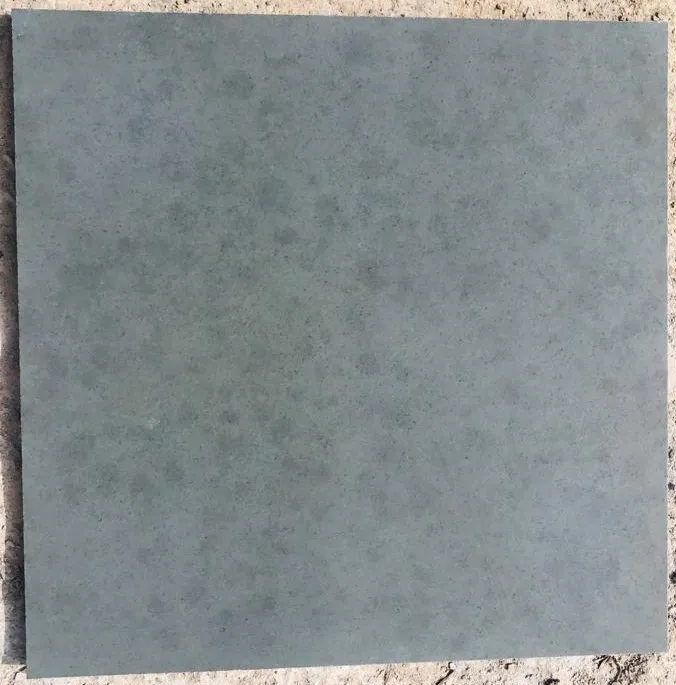
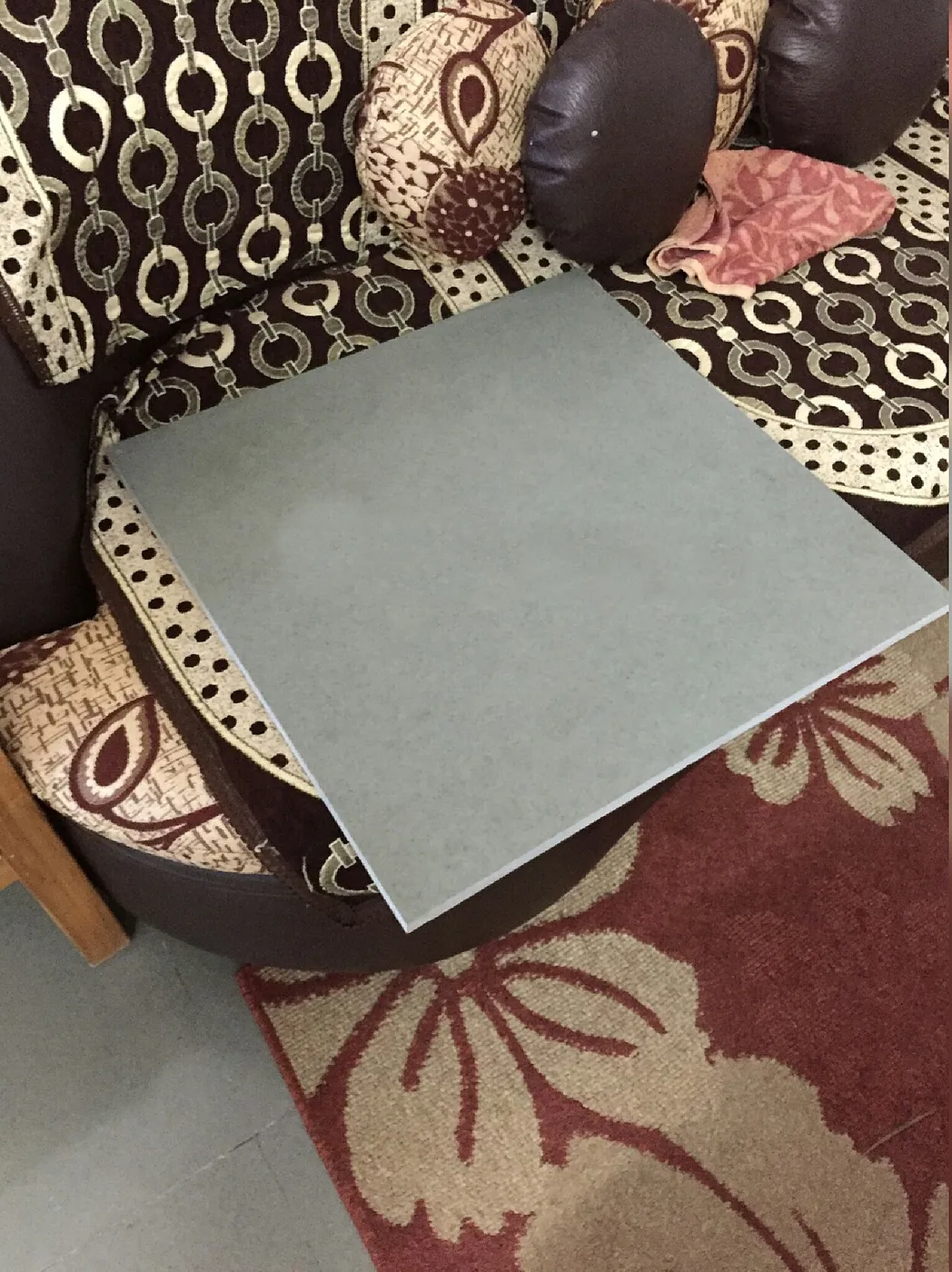
Blue Kota Stone
The most widely traded Kota limestone — a calm blue-grey tone used for homes, offices and institutions.
Kota stone is one limestone sold under many trade names. Colour names describe shade; finish names describe surface processing; sizes and thickness describe cutting. A single order combines all four — e.g. "Blue Kota, polished, 2×2 ft, 25 mm".
The most widely traded Kota limestone — a calm blue-grey tone used for homes, offices and institutions.
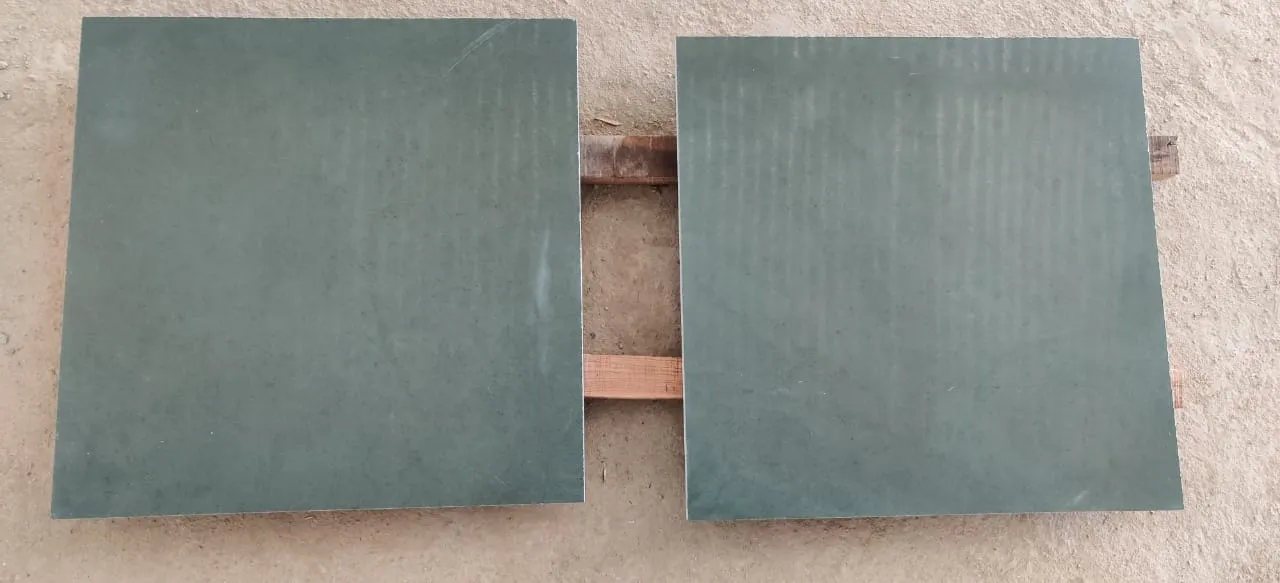
A greenish-grey variety of Kota limestone, chosen for a softer, earthy look.
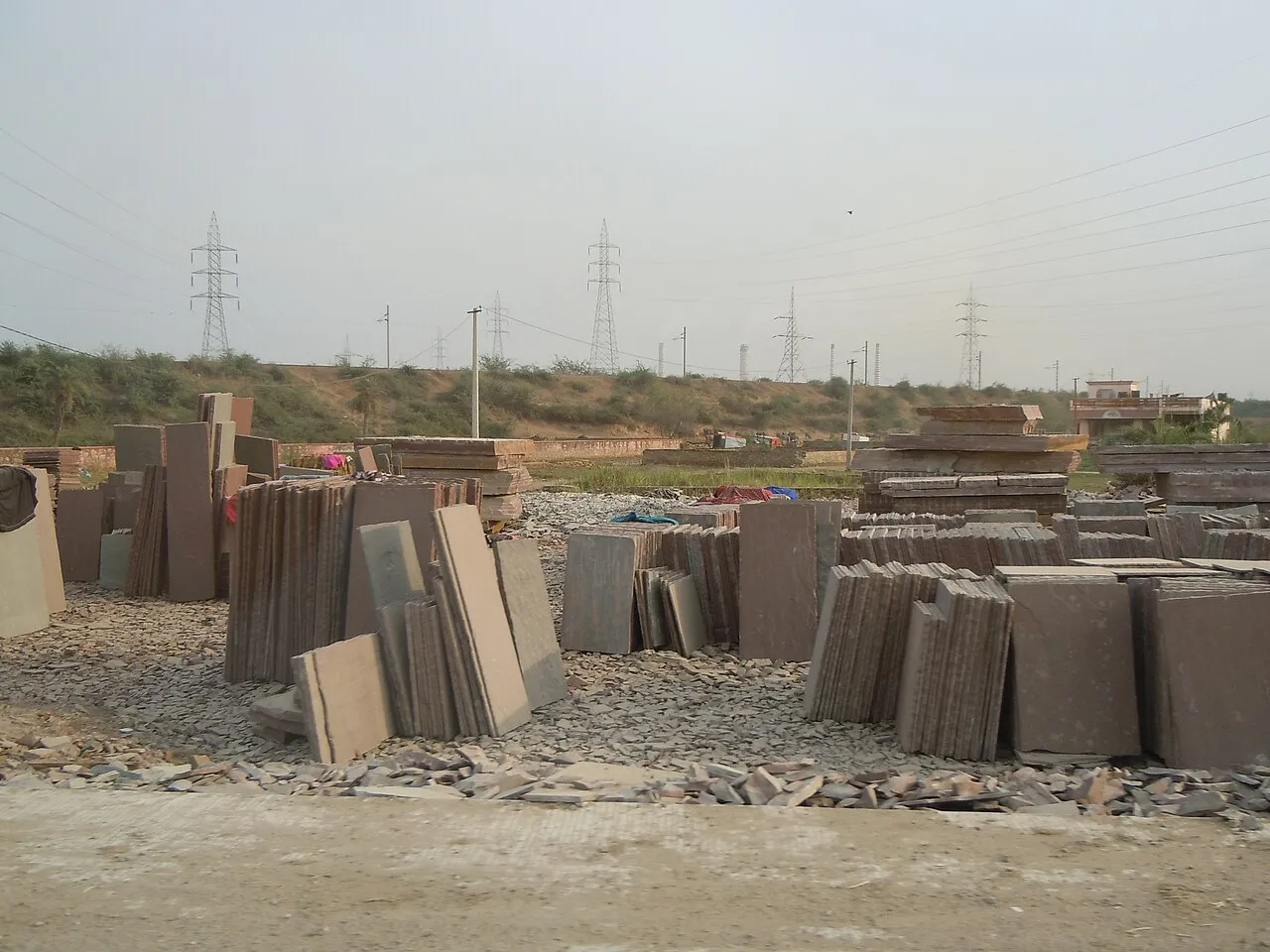
A brown to beige-brown Kota limestone for warm interiors and outdoor areas.
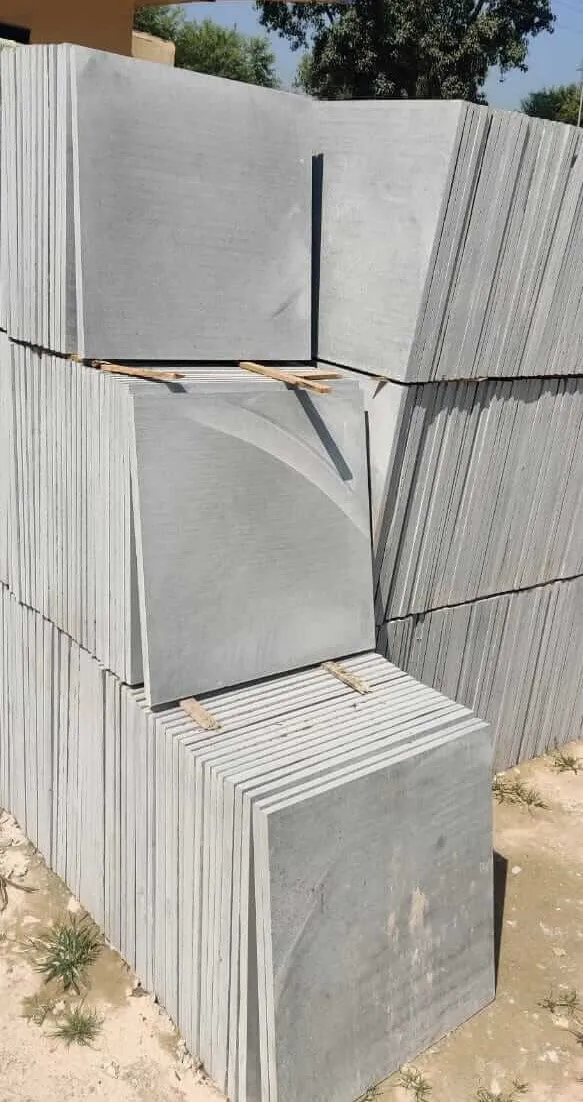
A neutral grey shade of Kota limestone suited to modern, minimal spaces.
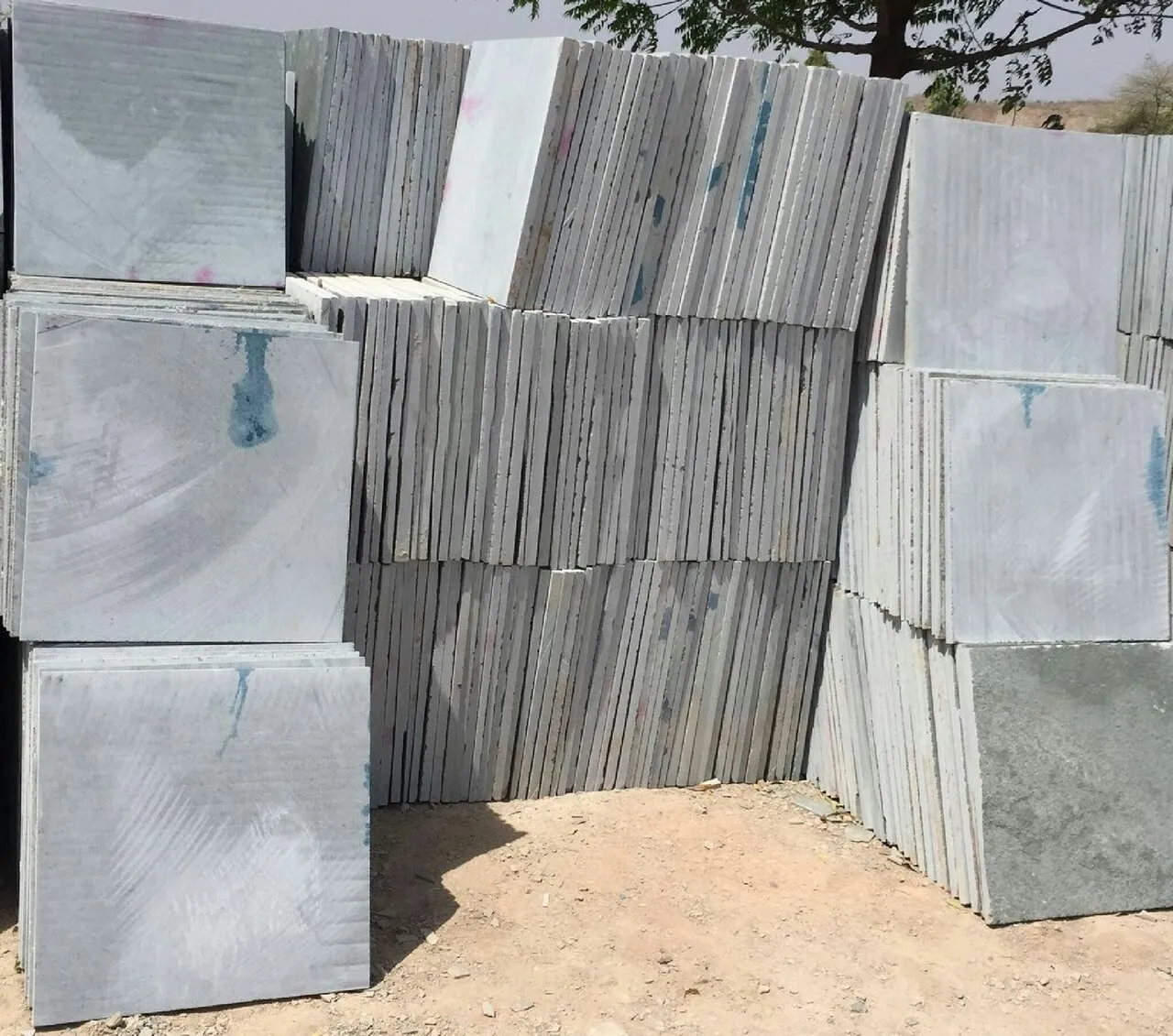
The in-between shade — blue tones with grey — common in large flooring orders.
A lighter, yellowish-brown Kota shade often used for warm interiors and exteriors.
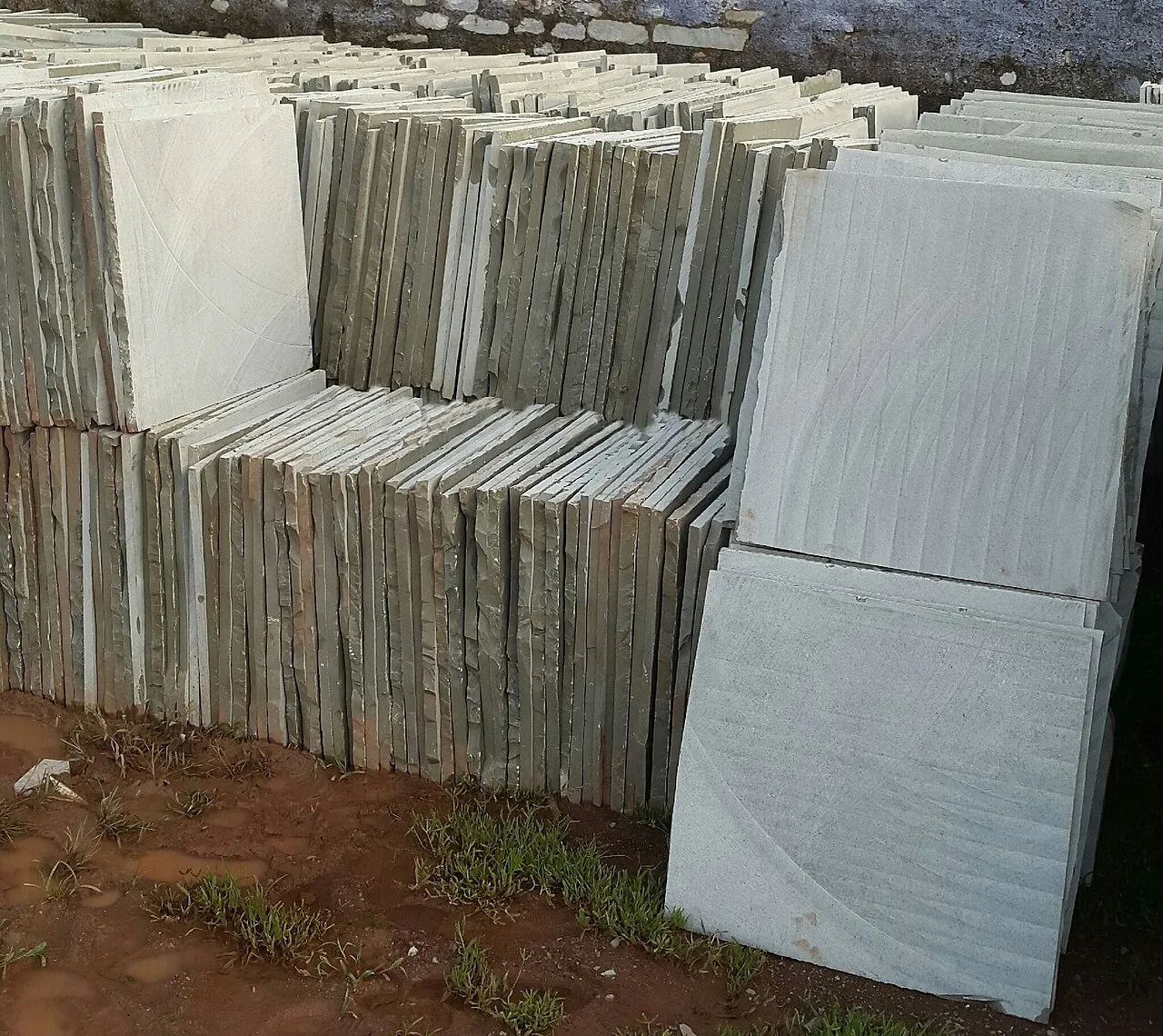
Kota limestone in its basic cut or quarried state, before polishing.
Hand-picked slabs with more uniform colour and fewer natural marks.
A glossy, reflective surface achieved by machine polishing — the classic indoor Kota floor.
A high-gloss polish with strong reflection, used in premium interiors.
A medium sheen between natural and full polish — a balance of looks and grip.
The stone with its natural cut surface and no polish — economical and grippy.
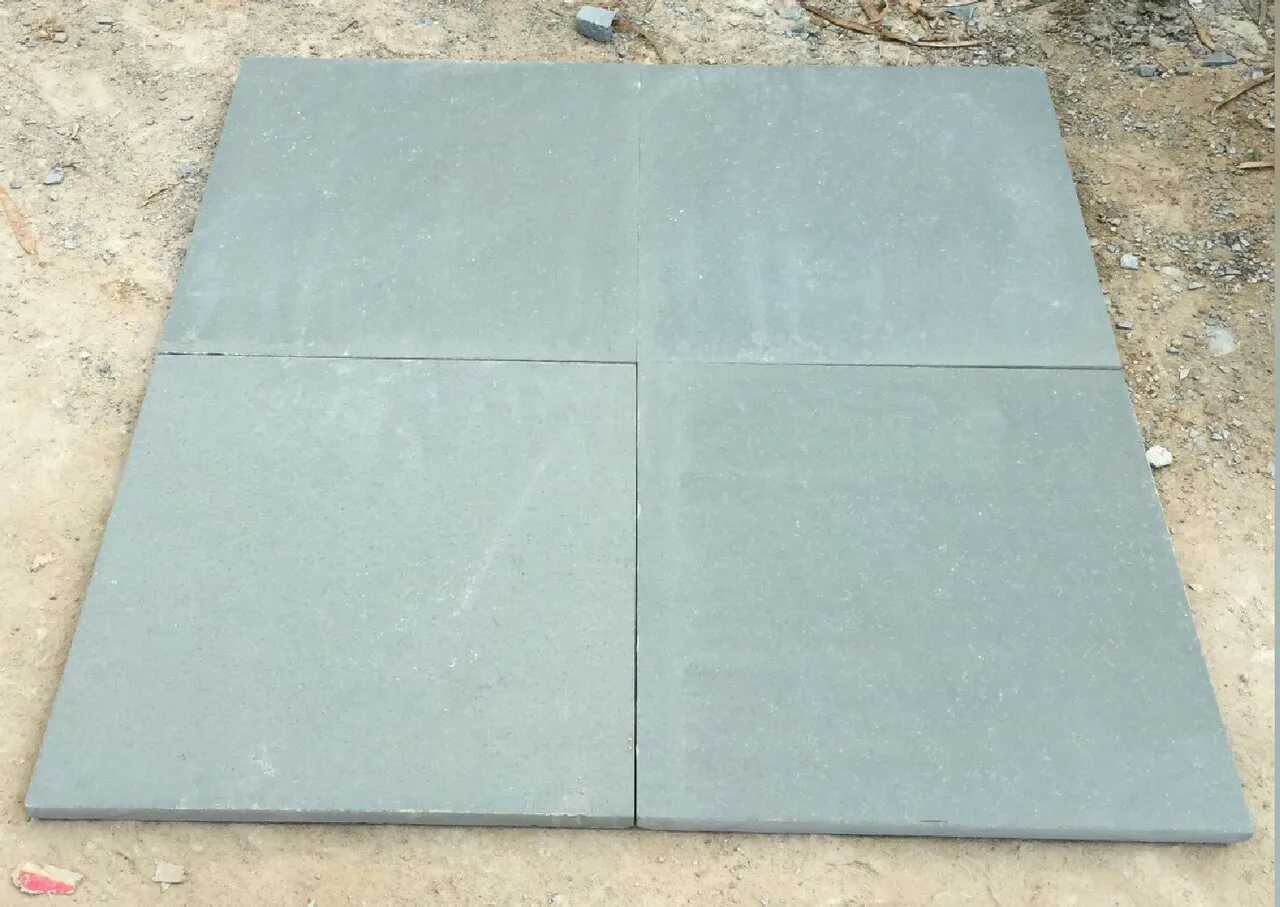
An unpolished, coarser surface with good slip resistance for exteriors.
A low-sheen look, similar to honed; trade names overlap.
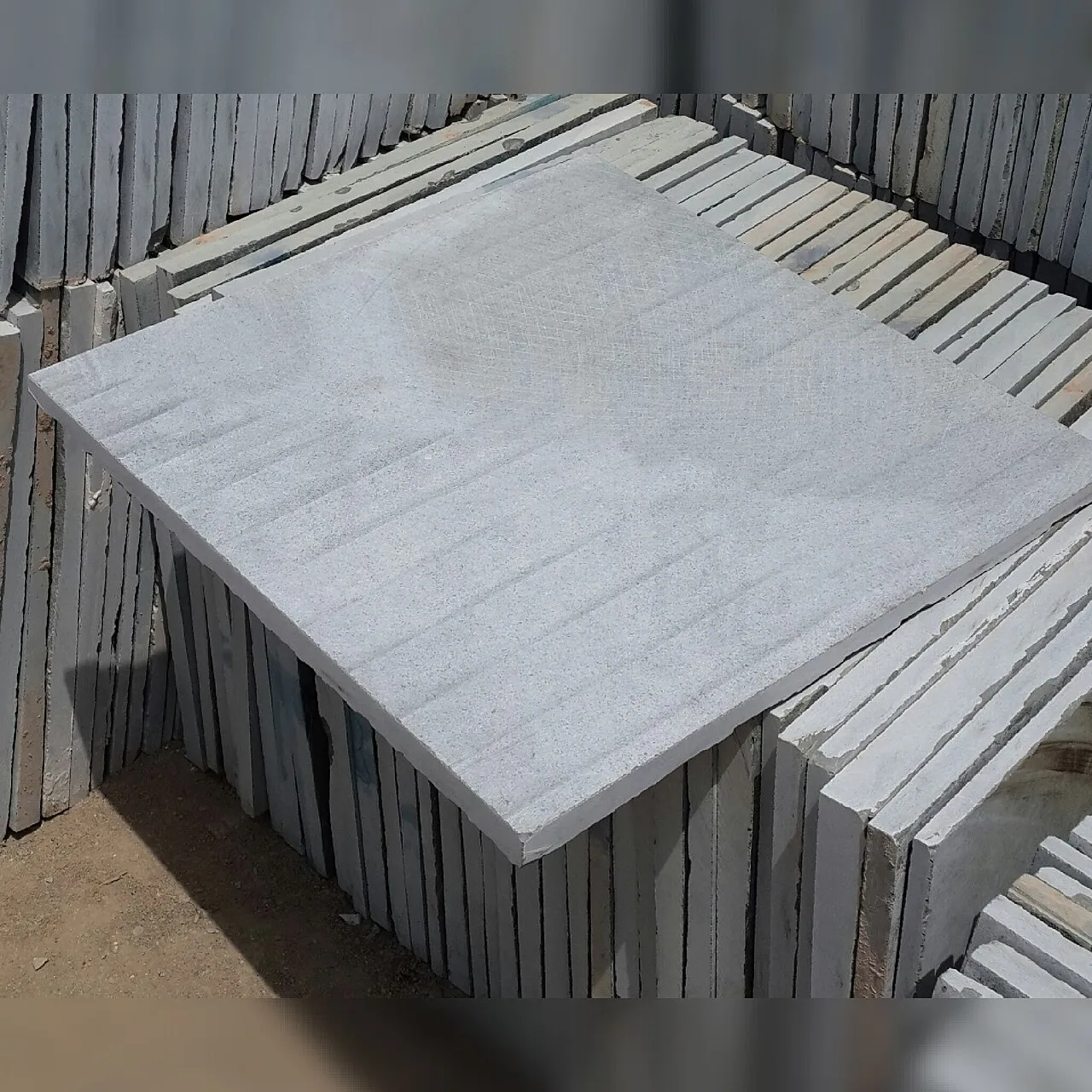
A brushed, softly textured surface with a subtle sheen. Availability is limited — confirm before ordering.
Slabs cut to precise sizes with straight edges for neat, tight joints.
Gauged to a uniform thickness so tiles can be laid level with less mortar adjustment.
Surface left as it comes off the saw, with faint saw marks; often polished after laying.
Surfaces treated (e.g. by flaming, brushing or grooving) for grip and visual texture. Availability varies.
Rough or grooved surface prepared for slip resistance in wet and sloped areas.
Traditional chisel-dressed surface or edges, used for a rustic, handcrafted look. Made to order.
A small square tile, easy to handle and suited to compact rooms.
A traditional square size widely used in Indian homes.
A popular modern size giving fewer joints in large rooms.
A rectangular plank-like format for corridors and steps.
A rectangular size used in floors and patterns.
A large rectangular cut for big halls and outdoor paving.
Large uncut or random-size slabs, cut on site or at a processing unit.
Cut to your drawing for steps, sills, counters and special layouts.
Factory-cut Kota in standard tile sizes, ready for laying.
Thin stone for light-duty interiors and cladding where weight matters.
A sturdy option for homes, offices and moderate traffic.
Thicker stone for commercial, outdoor and heavier loads.
Thickness made to order for steps, treads, counters and special uses.
Every Kota stone order is described by four things: colour, finish, size and thickness. A typical enquiry reads like 'Blue Kota, polished, 2×2 ft, 25 mm' or 'Green Kota, natural, random slabs, 20 mm'. This catalogue is arranged in the same way so that you can look at each choice separately, understand what it means and then combine them into a product that fits your project.
Colour pages describe the natural shade of the stone. Finish pages describe how the surface has been processed. Size and thickness pages describe how the stone has been cut. Application pages, linked from each product, explain which combinations work best for homes, offices, parking, stairs, factories and public buildings.
Blue and blue-grey Kota are the most widely quarried and are usually the easiest to get in large matching quantities, which makes them the default choice for big projects such as schools, hospitals and housing societies. Green Kota gives a softer, earthy appearance and is popular in homes and farmhouses. Brown and honey shades are warmer and less common, so check availability before you plan a design around them. Grey Kota is a neutral middle shade that suits modern interiors.
Because Kota stone is natural, two slabs of the same colour name will never be identical. Expect gentle variation and small natural markings. If uniformity matters, ask about a selected or premium grade, which is sorted for a more even shade.
The finish matters as much as the colour. Polished and mirror-polished stone looks rich and is easy to mop, but it is slippery when wet. Semi-polished and honed surfaces have less shine and a little more grip. Natural, rough, sawn and hand-dressed surfaces have the most grip and are used outdoors and in industrial areas. Textured, leather and anti-skid finishes are processed specifically to keep grip on ramps, steps, terraces and around water.
Cut tiles such as 2×2 ft or 24×12 inches give clean, regular joints and save labour at site. Random slabs are more economical per square foot but require more cutting, so wastage and labour can be higher. Large formats such as 4×2 ft give fewer joints and a more open look in big halls.
Thickness should follow the use. Lighter thickness is common for residential floors on a good concrete base; thicker stone is preferred for stairs, outdoor paving, commercial floors and anywhere vehicles or heavy trolleys will move. Your engineer or contractor should confirm the final thickness based on the base and installation method.
Kota stone is usually sold in grades such as commercial, standard and selected or premium. Higher grades have more consistent colour, fewer cracks or markings and straighter edges. Before you buy, check a sample for even thickness, clean edges, absence of hairline cracks and a shade you are happy with in daylight.
For larger orders, ask for photos of the actual stack or lot, and plan to buy the full quantity in one go so the shade matches throughout.
Kota stone is dense and hard-wearing, stays cool in hot weather, is easy to clean and can be re-polished, which gives it a very long service life. It is generally more economical than marble and granite for large areas. On the other hand, it is sensitive to acidic cleaners and spills, polished surfaces need care in wet areas, and natural shade variation should be expected.
Each product page has its own call and WhatsApp buttons that pre-fill the product name in your message. Share the colour, finish, size, thickness, quantity in square feet and your delivery city, and we will discuss the latest price and supply options. Rates are not published online because they change with lot, quantity, freight and market conditions.
Tell us where it will be used and we will suggest suitable options.